Tailgate Inspections
Cargo verification doesn’t have to slow your shipments down. A tailgate inspection is one of the fastest ways to confirm that what’s inside the container matches the documentation. Nordwatch makes the entire process remote, documented, and complete in under a day.
If you’re moving imported goods across borders, a missed detail at the container doors can mean delays at the port, customs exams, or worse.
We help you catch those issues before they ever reach a customs officer.
What Is a Tailgate Inspection?
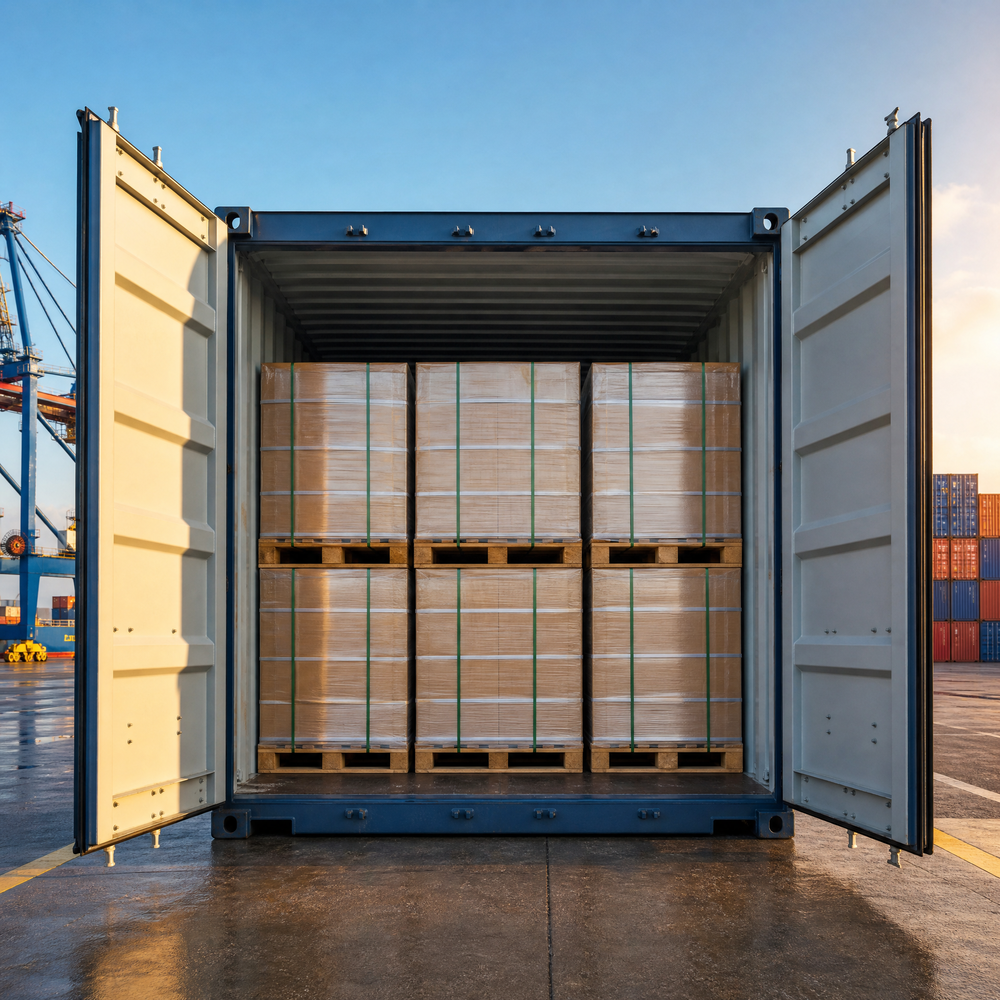
A tailgate inspection, sometimes called a tail gate exam, is a visual verification performed at the rear of a shipping container. Inspectors open the container doors and conduct a visual examination of the cargo at the back of the load to confirm that the goods, quantities, and documentation align.
In customs operations, tailgate exams are commonly conducted by border protection authorities, including U.S. Customs and Border Protection (CBP), at the port of entry or at a centralized examination station (CES). They are typically performed on high-risk shipments flagged by intelligence or risk-based targeting.
If issues are found at the tail gate, the shipment may be moved for further inspection, including an x ray exam or a full unpacking and physical examination.
Why Tailgate Inspections Matter Before the Container Sails
For shippers, freight forwarders, and cargo owners, the lesson is simple. The condition of the container and the way the cargo is secured should be verified before the container leaves the loading site. Once it reaches the terminal, carrier, or port, any visible issue can trigger delays, rework, extra costs, or rejection for transport.
If a carrier, terminal operator, or port authority checks the container and finds poor securing, the consequences can escalate quickly:
- The container may be refused for loading if the cargo appears unsafe for sea transport.
- The shipment may be held at the terminal until the cargo is inspected, repacked, or properly secured.
- Additional handling, storage, and waiting charges may apply while the issue is resolved.
- Delivery schedules may be disrupted if the container misses the planned vessel departure.
- Liability concerns may increase if cargo damage, instability, or unsafe loading is discovered after handover.
A proactive tailgate inspection before dispatch costs a fraction of the delays and rework caused by poor securing found at the port. It confirms that the container is suitable, the cargo is stable, and the load is ready for safe transport before it enters the logistics chain.
The Reality of Carrier and Port Checks
When a carrier, terminal operator, or port representative checks a container before loading, they are looking for signs that the unit is safe to move, lift, stack, and transport by sea. A container with visible damage, leaking cargo, poor weight distribution, or unsecured goods may be stopped before it ever reaches the vessel.
- If the cargo is properly blocked, braced, lashed, and documented, the container can continue through the process with fewer issues.
- If anything looks unsafe, such as loose cargo, damaged packaging, shifting risk, missing securing materials, or signs that the load may move in transit, the consequences can be immediate.
The container may need to be opened, inspected, corrected, and re-secured before it is accepted for transport. In some cases, the shipment may miss the sailing entirely. Each step adds cost, delay, and operational pressure, especially when storage, re-handling, and schedule disruption begin to accumulate.
This is the scenario a proactive tailgate inspection is designed to prevent. By verifying the container condition and cargo securing before the unit leaves the origin facility, you reduce the risk of carrier rejection, port delays, cargo damage, and costly corrective work at the terminal.
How Nordwatch’s Remote Tailgate Inspection Works
Traditional tailgate inspections require an inspector on site at the container doors. Nordwatch has rethought the process for the digital age. Our certified inspectors verify cargo remotely, using high-resolution photos, videos, or live video sessions.
The result is a detailed inspection report and compliance certificate, delivered without anyone needing to travel.
Here’s how the remote inspection process works:
1. Door-Level Visual Verification
Working from the visual evidence you submit, our remote inspection team will:
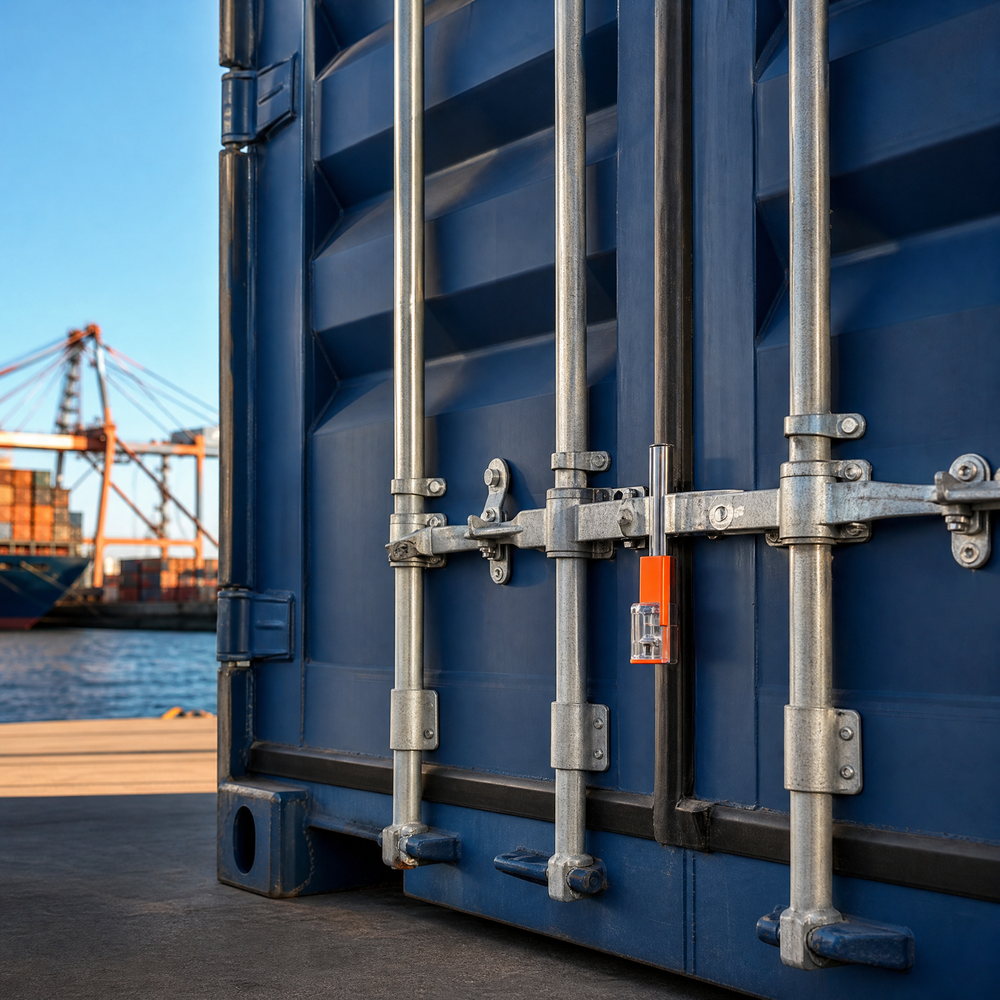
- Inspect the Seal: Verify that the bolt seal matches the documentation and shows no signs of tampering during movement.
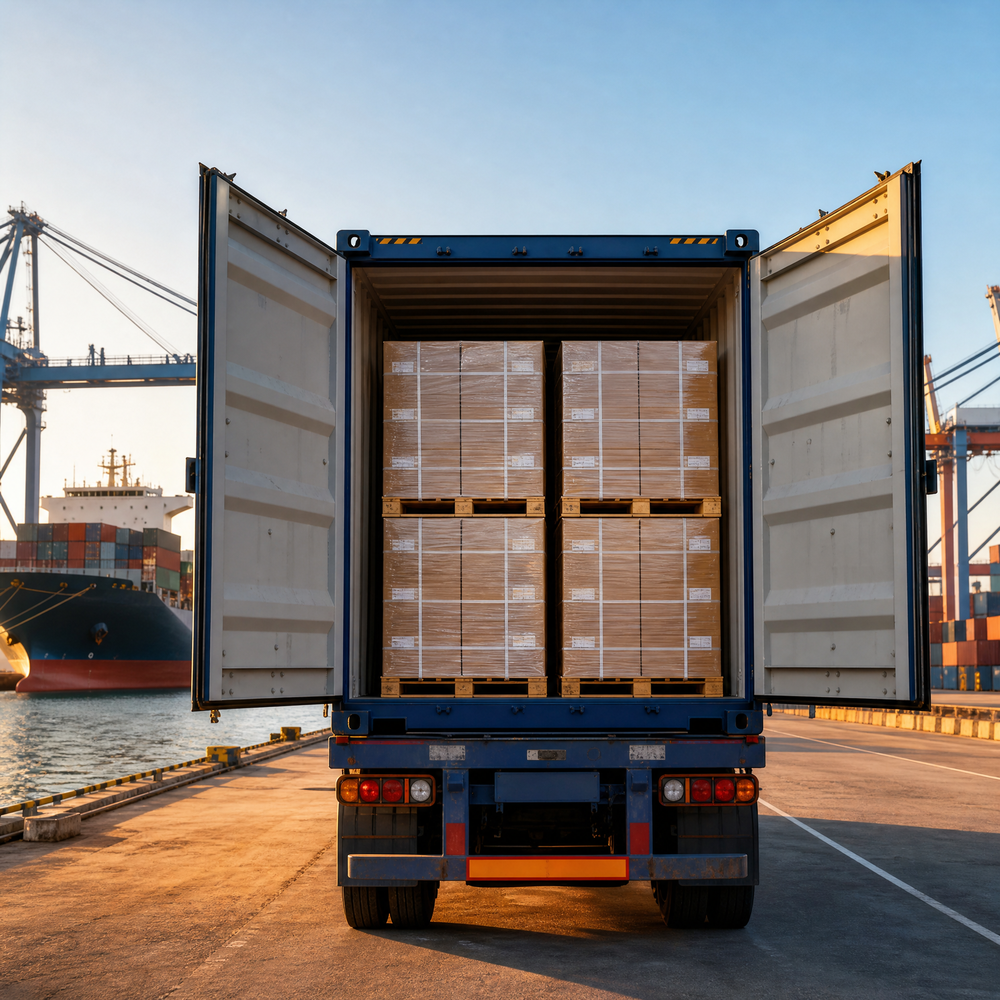
- Examine the Tail: Assess the cargo visible at the very back of the container to confirm the nature of the shipped goods.
- Check for Discrepancies: Look for signs of undeclared items or inconsistencies that don’t match the consignment paperwork.
2. Compliance and Safety Check
The inspection also monitors the physical status of the load:
- Structural Integrity: Ensuring the container is safe for unloading and that no cargo has shifted dangerously against the doors.
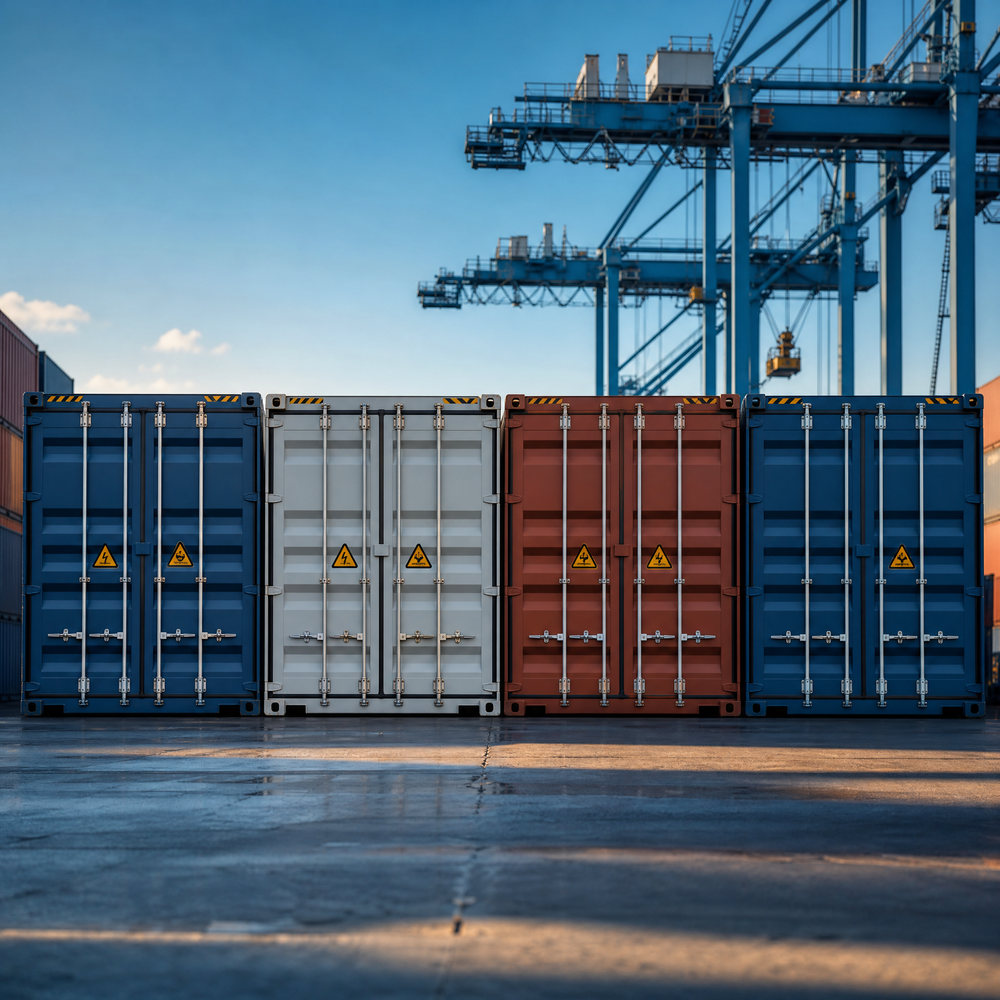
- Dangerous Materials: Verifying that any hazardous items are correctly labeled and stowed in accordance with published regulations.
3. Transition to Further Inspection
If our remote inspectors identify discrepancies or compliance issues, you receive immediate, specific feedback. Corrections can be made at the source, before the container ever leaves the facility.
Catching problems early is critical. Once a container reaches the destination port with unresolved issues, the path forward gets expensive. Customs may notice and refer the shipment to a Centralized Examination Station, and physical or X-ray exam can follow. By the time of release, the costs and delays are already locked in.
By resolving issues remotely with Nordwatch before shipment, you avoid the chain reaction. No port holds. No CES referrals. No mounting costs.
Who Benefits from Remote Tailgate Inspections?
A clean container stowage is the difference between a shipment that arrives on time and one that sits at the port racking up fees. Nordwatch’s remote tailgate service is built for the teams across the supply chain who carry that responsibility every day.
Our remote tailgate inspections are designed for:
- Importers and Exporters: Verify that every shipment matches its documentation before it leaves the loading site.
- Customs Brokers: Provide clients with proof of pre-shipment verification to support smoother clearance and release.
- Freight Forwarders and Logistics Providers: Reduce the rate of customs exams and avoid costly delays at the port of entry.
- Dangerous Goods Shippers: Confirm that hazardous or dangerous materials are correctly packed, labeled, and documented before the container is sealed.
If your shipment is moving across borders, a remote tailgate inspection gives you a documented, third-party verification that the cargo is exactly what you say it is.
Why Choose Nordwatch?
Choosing the right inspection partner shapes everything from how fast your cargo clears customs to how much you spend getting it there.
Nordwatch combines maritime expertise, certified inspectors, and a fully digital platform to deliver verification that holds up wherever your cargo is headed.
Here’s what sets our method apart:
- Rapid 1-Hour Turnaround: Detailed reports delivered within 60 minutes, not a week.
- No Travel, No Mobilization Fees: Inspections completed remotely from any port or country.
- Certified Maritime Specialists: Inspectors trained in CTU Code, IMDG, ISO guidelines, and international shipping regulations.
- Built for Logistics: Nordwatch solutions are designed specifically for the maritime industry, with reference materials, intuitive uploads, and clear status updates at every step.
When customs authorities, shipping lines, and your own clients see a Nordwatch certificate, they see proof that the cargo has already been verified by a trusted third party.
Don’t Wait for a Customs Hold Encounter
Once a container is flagged for further inspection, your options shrink and your costs climb. The smarter move is to verify the load before it ships, so issues can be corrected at the source rather than discovered at the port.
Get your tailgate inspection completed remotely, in under 24 hours, with full documentation and a compliance certificate ready to share with your customs broker department.
Schedule Your Remote Tailgate Inspection