
Certified Remote Inspections
Dangerous Goods Inspections
Certified dangerous goods inspections, completed fully remotely. Upload photos or video — our inspectors verify CTU, ISO and IMDG compliance within 1 hour
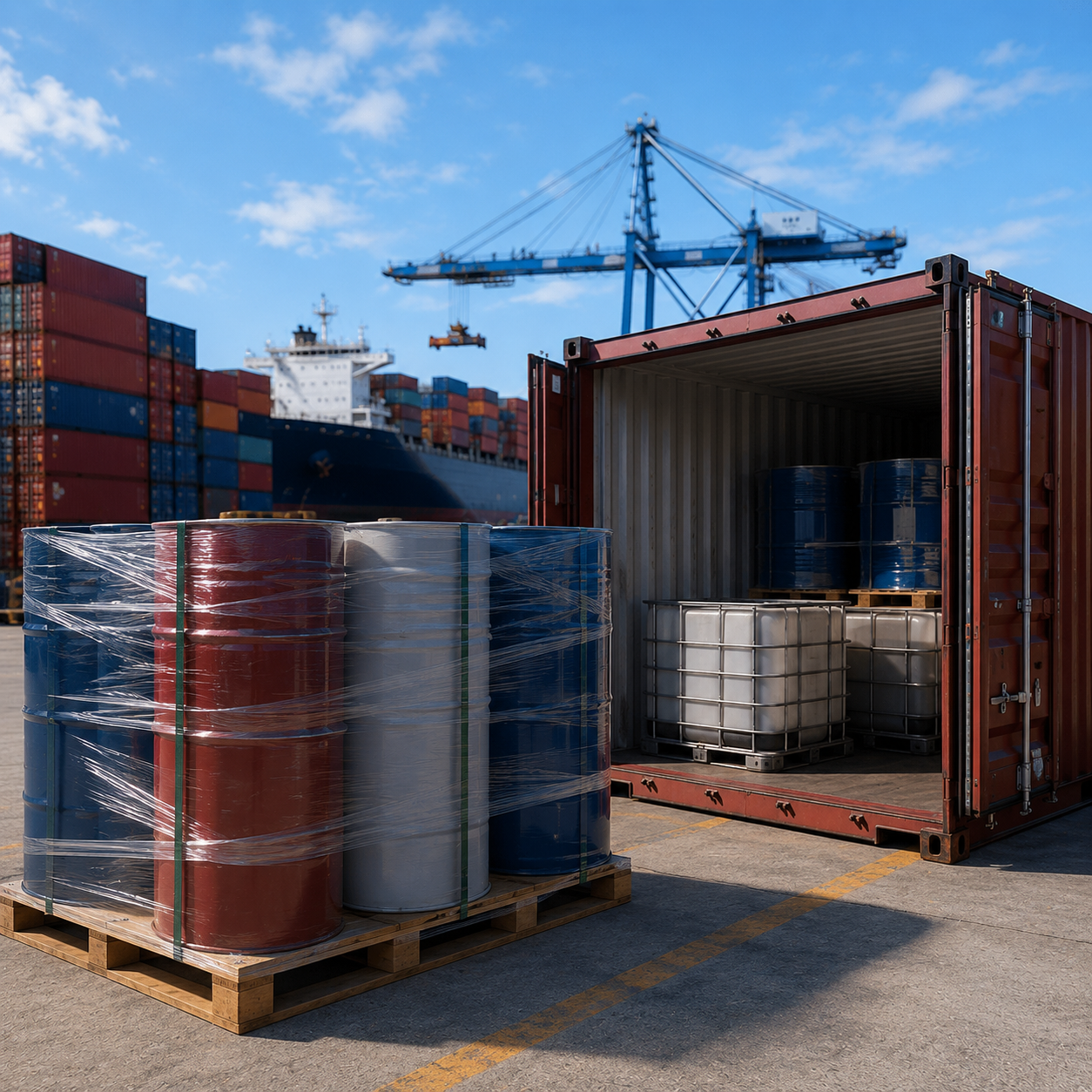
The Importance of Dangerous Goods Inspections
A dangerous goods inspection is not a mere formality — it is a critical safety barrier. Undeclared dangerous goods or incompatible dangerous goods stored in close proximity can lead to incidents such as aircraft accidents, vessel fires, or other severe transportation emergencies.
In the world of dangerous goods shipments, the difference between safe transport and a catastrophic incident often comes down to the technical details of the packing and securing methods.
The remote difference
Navigating Hazardous Materials Regulations
Ensuring compliance with all applicable requirements is essential to prevent emergency situations during the stresses of transportation.
1h
100%
1 free
The remote difference
Key Areas of Focus during Dangerous Goods Inspections
Verifying that packaging intended for dangerous goods has undergone the required testing procedures and meets the specifications for the relevant class of goods.
Why remote dangerous goods inspections
Compliance without the inspector on site
Digital inspections deliver results within 1 hour, accelerating cargo readiness.
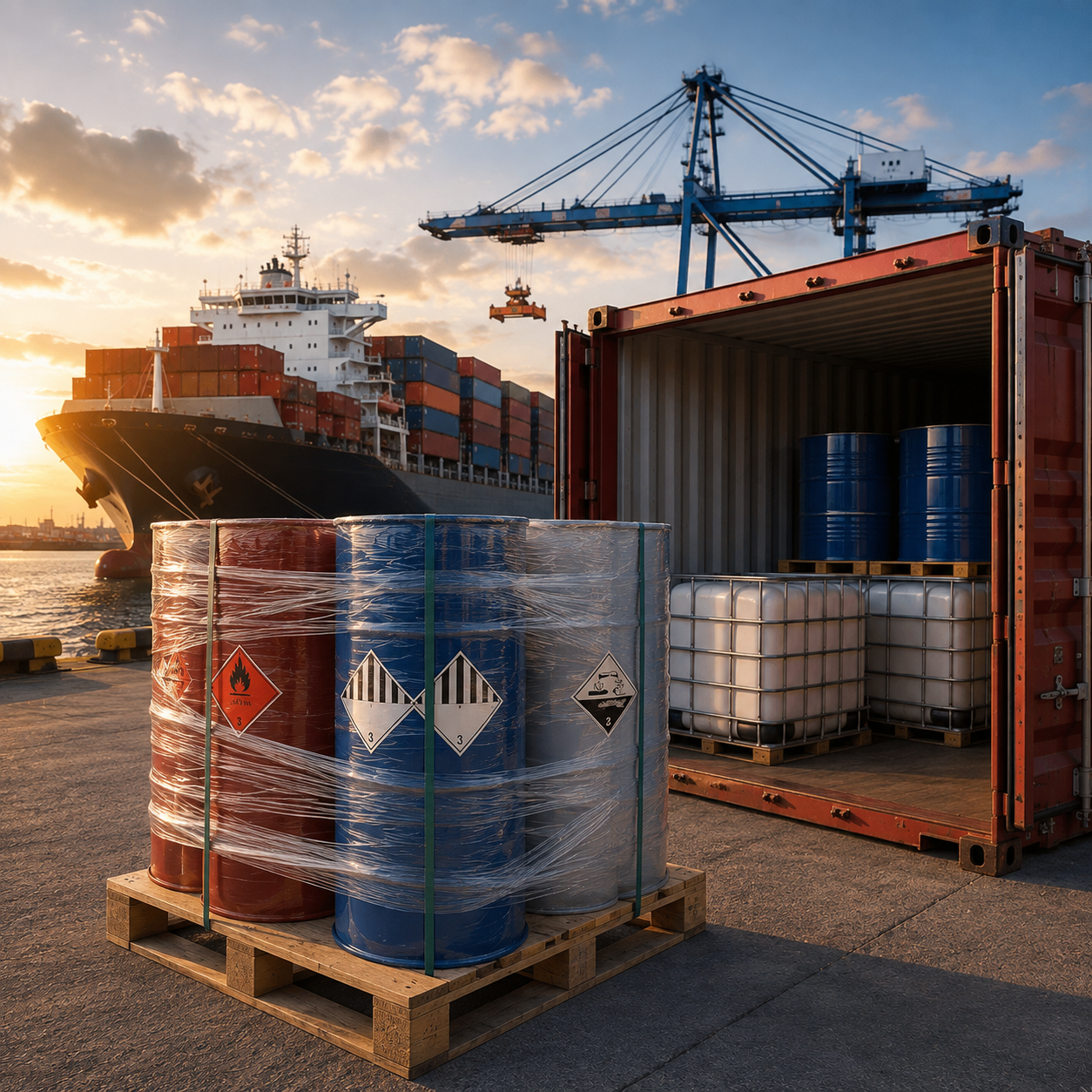
Dangerous goods
Remote Inspection of Dangerous Goods
This system ensures real-time control and regulatory compliance throughout the shipment process. Our experts review every detail to ensure dangerous goods receive the oversight required under both national legislation and international technical instructions.
Differentiating dangerous goods from other inspections
Differentiating Dangerous Goods from Other Inspections
Dangerous goods is one of several remote inspections we run.
Who it’s for
Efficiency Without Compromising Safety
In exceptional circumstances, traditional inspection and enforcement procedures can slow down the supply chain. Nordwatch’s remote inspection approach provides guaranteed feedback within one hour, allowing dangerous goods shipments to move forward efficiently and with confidence.
From lithium batteries to industrial chemicals, we provide assurance that your cargo is compliant, properly packed, and safe for transport.
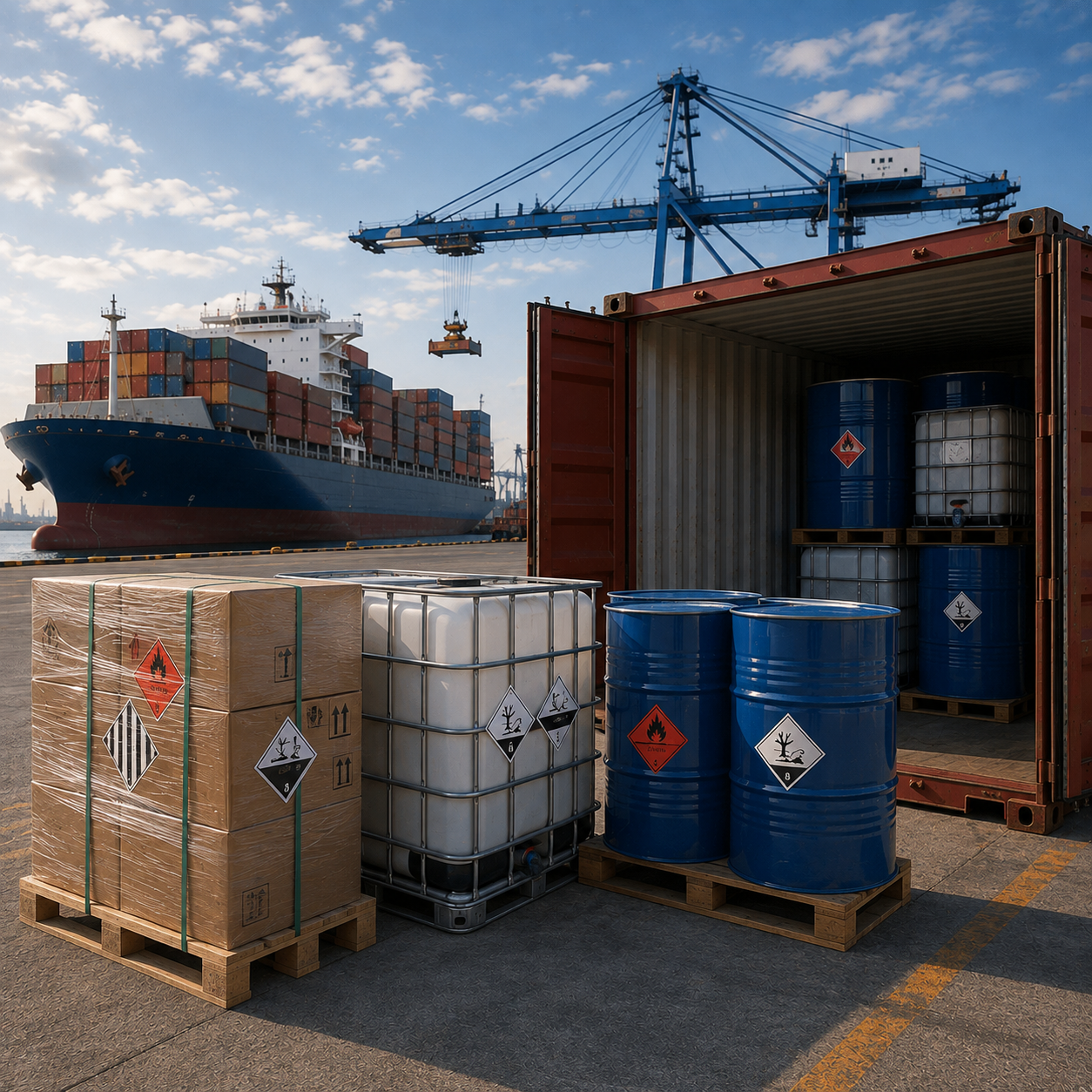
Eliminate Your Regulatory Risks Today
Incidents involving dangerous goods are often the direct result of improper packaging, segregation, or handling — errors that, can have catastrophic consequences.
See how Nordwatch’s remote dangerous goods inspection services can provide the compliance oversight and operational safety your logistics operation demands.