
Certified Remote Inspections
Remote Flatrack Inspections
Certified flatrack inspections, completed fully remotely. Upload photos or video — our inspectors verify CTU, ISO and IMDG compliance within 1 hour
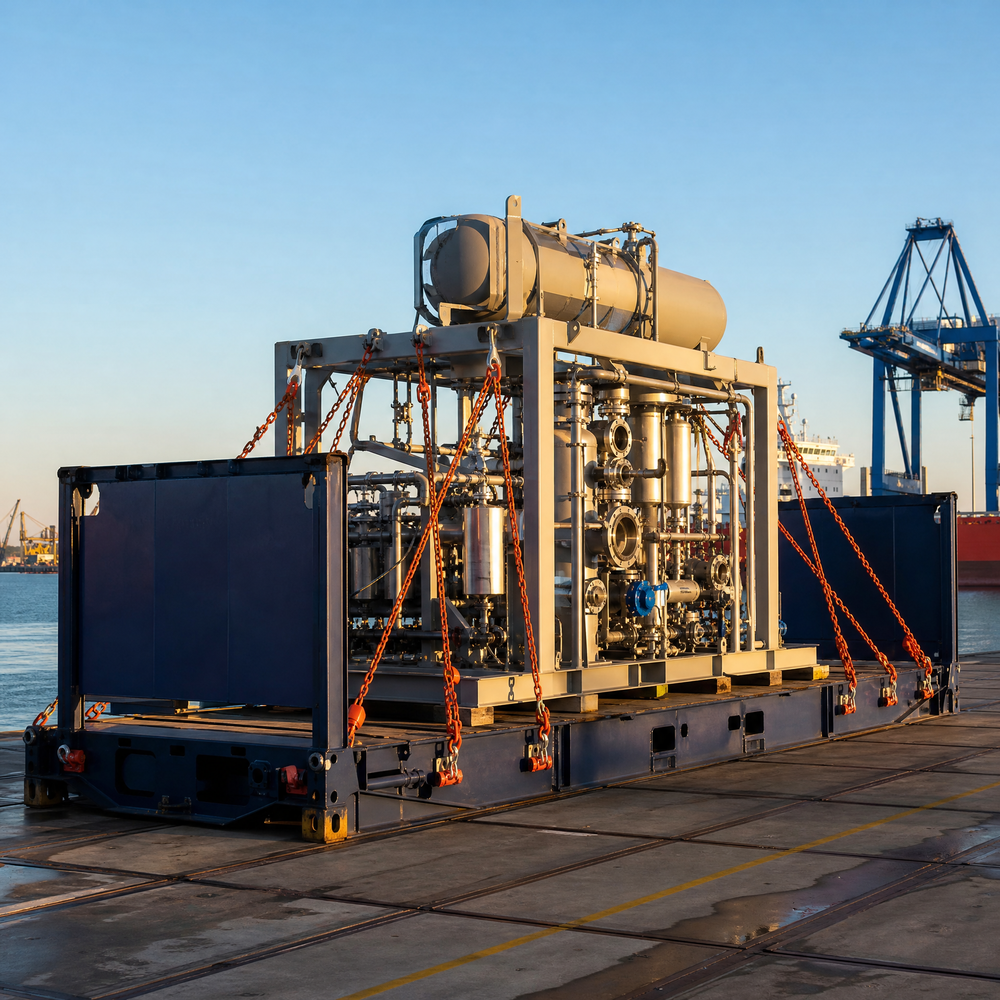
The Importance of Flatrack Inspections
For cargo owners and freight forwarders, a flatrack inspection is not just a formality — it is a critical control point to ensure that the cargo will withstand conditions at sea.
Because no one wants to be the one making the phone call to explain to a client why their cargo is now damaged, requires reproduction, and has delayed an entire project.
Improper securing can lead to cargo damage, shipment rejections, or in severe cases, total cargo loss. In many situations, the root cause is a lack of specialized securing expertise.
The remote difference
What a Flatrack Inspection Should Verify
1h
100%
1 free
The remote difference
Four steps of Flatrack Inspections
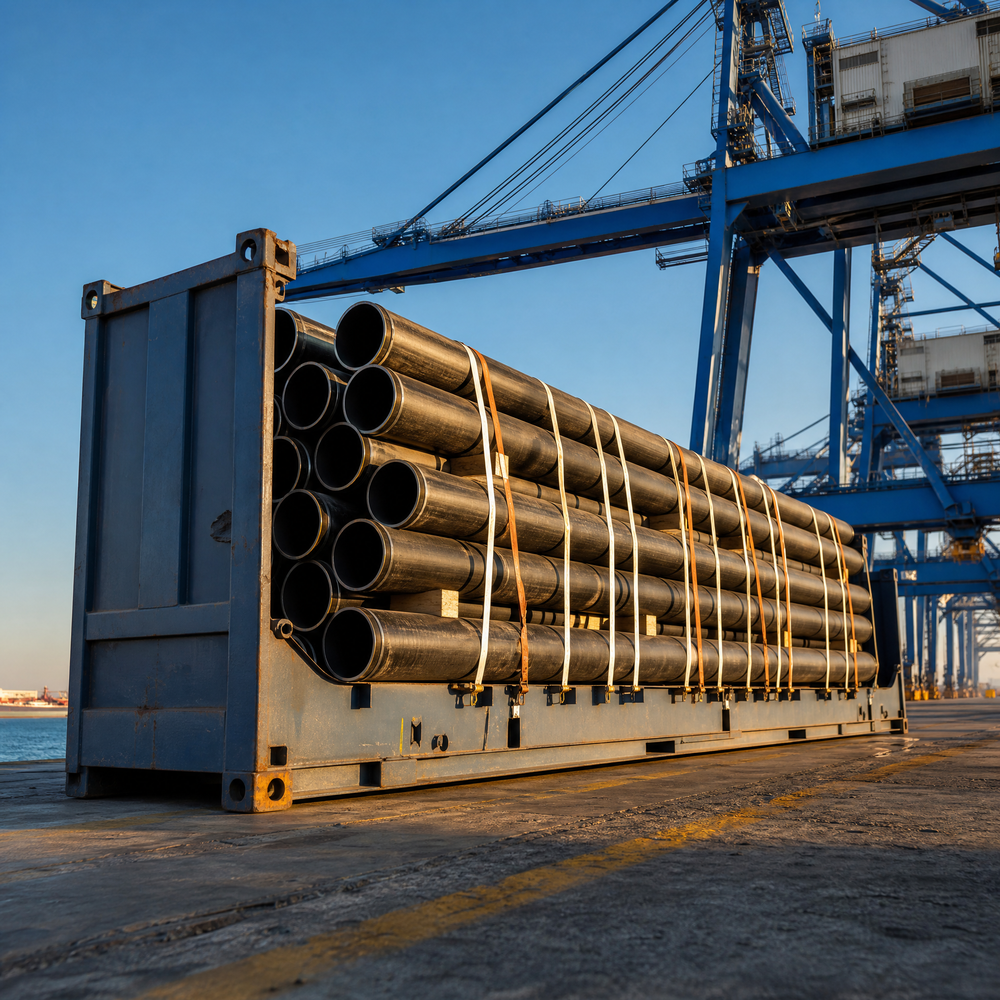
It assesses Proper Lashing Angles to ensure effective load distribution across all tie-down points. It also calculates an Adequate Number of Lashings specifically calibrated for the cargo weight and the expected dynamic forces during transport.
Furthermore, the inspection directly addresses a frequently observed issue regarding the use of mixed lashing materials, such as combining chains with web lashings.
Because these materials possess varying elasticity characteristics, they behave entirely differently under load.
As a result, one set of lashings often absorbs the vast majority of the forces while the others remain completely ineffective, ultimately leading to insufficient cargo securing and a high risk of shifting.
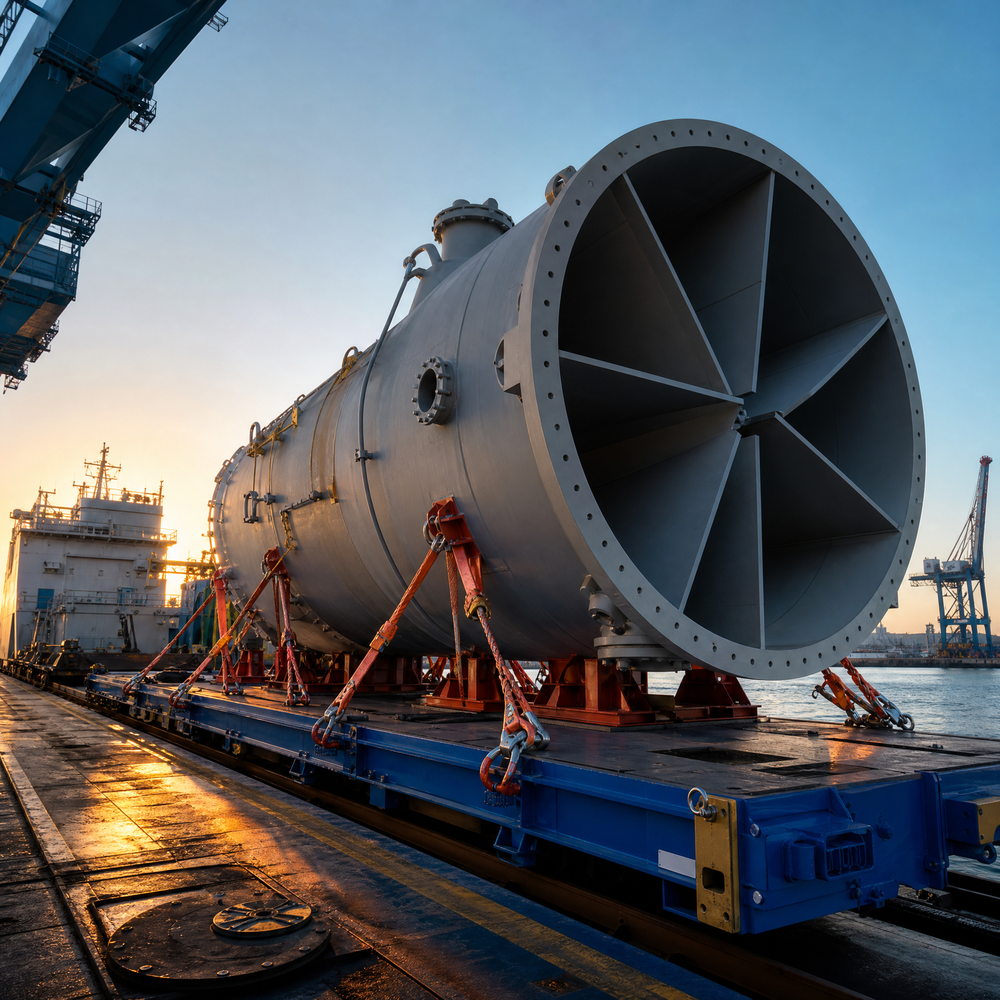
To address these risks, the remote inspection focuses heavily on three core structural and balance criteria. It evaluates Center of Gravity Positioning to verify the precise location of the cargo’s center of mass, which is essential to ensuring that the designed lashing arrangement and securing methods are sufficient for transport forces.
It confirms Even Load Distribution to ensure the cargo’s weight is balanced across the entire length and width of the flatrack floor.
Finally, it monitors Structural Limitation Boundaries to guarantee that no maximum capacity thresholds are exceeded.
This step is particularly vital for cargo with a very small footprint, as concentrated loads can create severe pressure points that can structurally damage the flatrack deck if not properly managed with load-spreading dunnage.
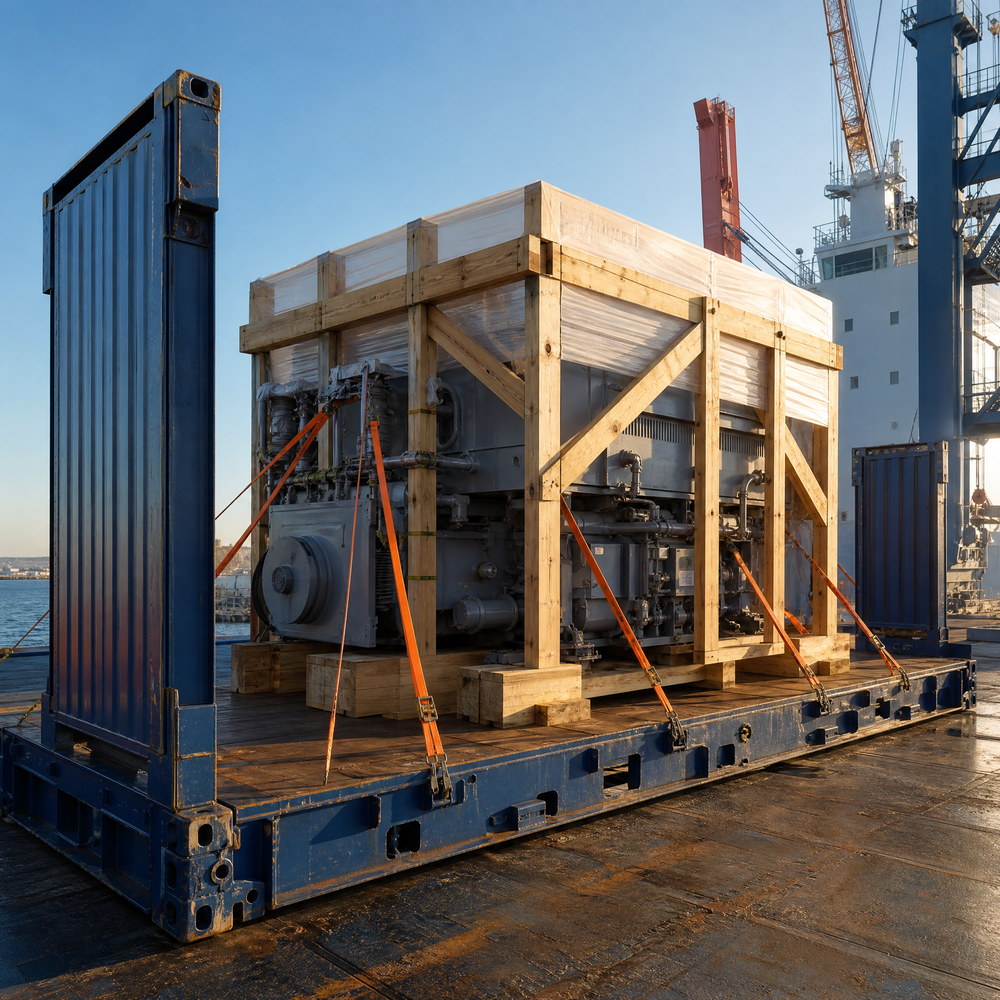
Effective securing relies on physically restraining the cargo against movement using appropriate support materials rather than relying on tie-downs alone.
To meet compliance standards, the remote inspection focuses on three critical containment factors. It verifies the Use of Timber Blocks to construct a rigid physical barrier that prevents lateral and longitudinal cargo shifting.
It ensures Proper Contact Interlocking to confirm that the cargo faces and the support materials meet flush without weak points.
Finally, it checks for the Elimination of Structural Gaps that could otherwise allow the cargo to gather momentum and shift under dynamic transit loads.
By integrating these methods, blocking and bracing significantly reduce the overall stress placed on the primary lashings, drastically improving the structural integrity of the entire securing arrangement.
This evaluation process verifies that the maritime securing framework is built entirely upon recognized international regulations and industry standards.
It ensures that the intense dynamic forces encountered during sea transportation, such as heavy rolling and pitching, have been properly calculated and considered in the plan.
Furthermore, the process confirms that the entire securing setup meets accepted safety margins to prevent structural failures under stress.
Ultimately, the remote inspection confirms that the resulting securing arrangement is not only highly practical for crew handling but also fully compliant with all relevant international maritime safety requirements.
Why remote flatrack
Compliance without the inspector on site
Digital inspections deliver results within 1 hour, accelerating cargo readiness.
Dangerous goods
Why Independent Verification Matters
A common issue encountered during inspections is the mindset of “We have always done it like this.” While a setup may work repeatedly, unsafe practices often eventually result in cargo damage, transport incidents, or operational disruptions.
An independent inspection provides an objective assessment before the cargo is exposed to transportation conditions. It ensures the securing arrangement is not only present — but actually effective.
Differentiating flatrack from other inspections
Differentiating Flatrack from Other Inspections
Flatrack is one of several remote inspections we run
Who it’s for
Fast and Reliable Inspections with Nordwatch
Our remote inspection model enables us to provide services at significantly lower costs compared to traditional onsite surveyors by eliminating mobilization and travel expenses.
Ready for seamless cargo compliance?
Ensure your cargo is properly secured before departure. Contact Nordwatch today for fast, reliable, and fully remote flatrack inspection services.