Certified Remote Inspections
Remote Chemical Transport Inspections
Certified chemical transport inspections, completed fully remotely. Upload photos or video — our inspectors verify CTU, ISO and IMDG compliance within 1 hour
Importance of chemical transport inspections
Few cargo types test the limits of maritime safety and regulatory compliance quite like hazardous chemicals. Whether you are moving liquid chemicals in ISO tanks or environmentally hazardous substances, the threat of toxic exposure, combustion, or environmental contamination is ever-present.
For chemical companies and freight forwarders responsible for the transportation of chemical products, a chemical cargo inspection is not a formality. It is the most critical verification step before a vessel departs.
The remote difference
Navigating the Complexity of Chemical Logistics
Maintaining product quality and integrity throughout transport is not something that can be delegated to general cargo handling. Failure to comply with IMO and IMDG standards does not just create safety hazards. It leads to terminal rejections and heavy penalties from carriers and port authorities.
For chemical companies transporting hazardous materials, regulatory compliance does not happen by default. A specialized inspection is the most reliable way to ensure that current requirements have been met before the cargo departs.
1h
100%
1 free
The remote difference
Critical Verification for Chemical Shipments
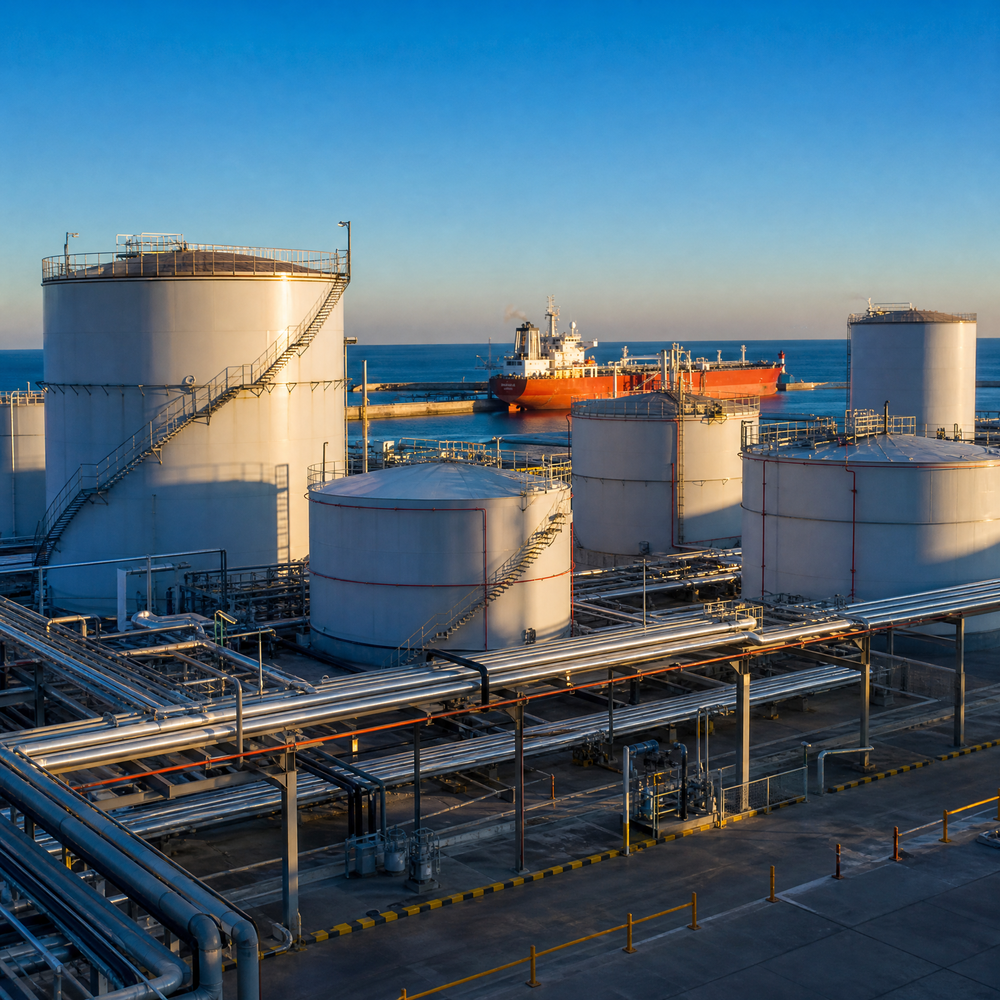
Our remote inspections mitigate this hazard by validating three core areas. They check ISO Tank Condition to look for signs of corrosion, structural wear, or previous cargo contamination that could compromise product quality.
They review Testing and Certification to confirm that testing intervals for valves and pressure-relief devices strictly meet industry standards.
Finally, they verify Security and Seals to ensure the total integrity of the unit, preventing unauthorized access or tampering during transit.
Our remote inspections mitigate this critical risk by validating three essential components. They verify Proper Shipping Names to ensure the cargo is correctly identified with its precise technical name and UN number.
They check Labeling and Marking to confirm that hazard labels for toxic or combustion risks are correctly applied and fully legible.
Finally, they review Emergency Response Procedures to guarantee that all required emergency response documentation is properly attached to the shipping papers.
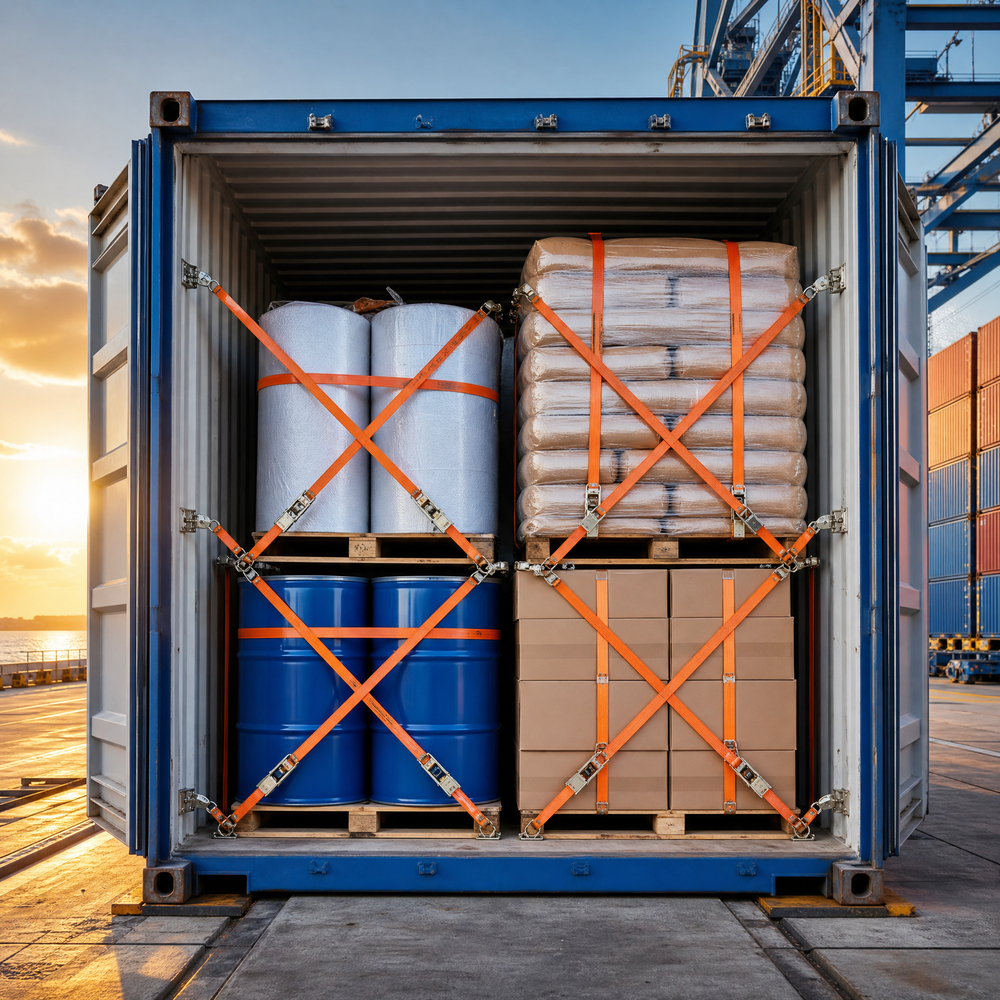
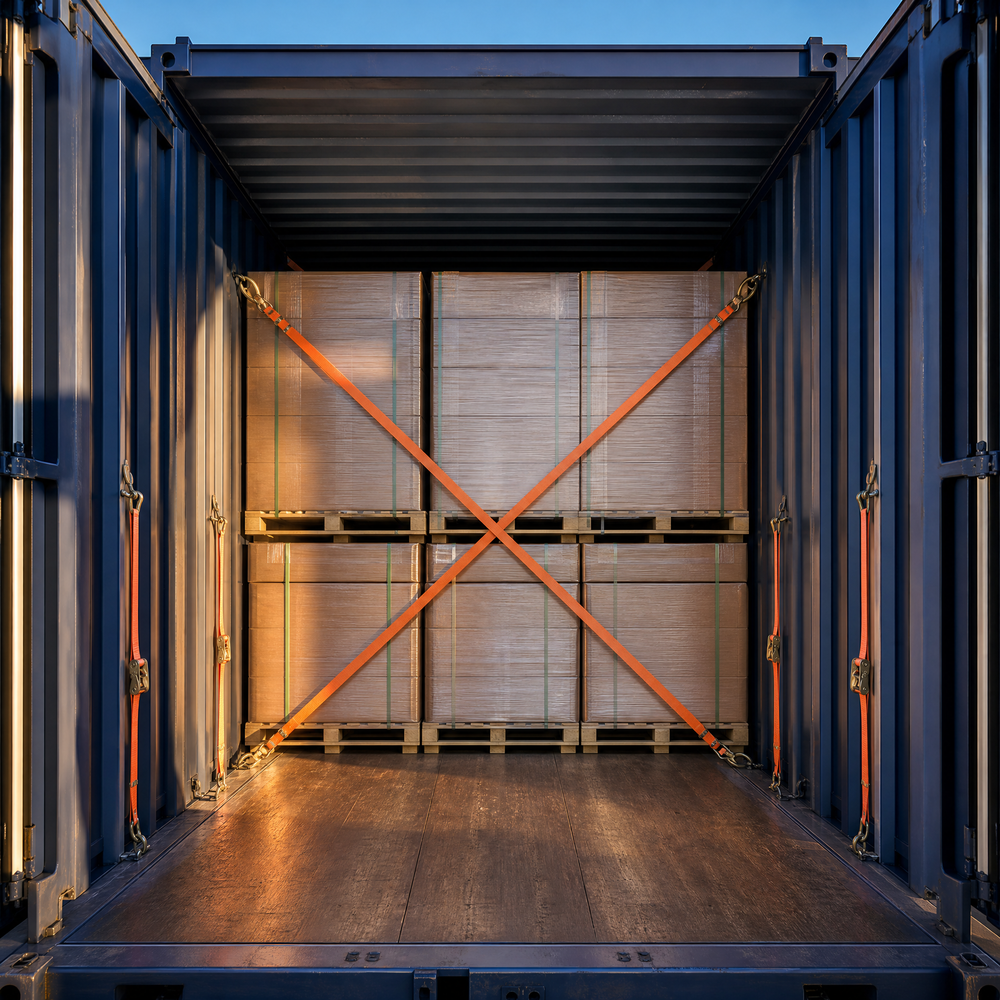
The regulatory standards governing how dangerous goods are loaded and secured leave absolutely no room for interpretation, whether the shipment involves corrosive substances, radioactive materials, or infectious substances.
Our remote inspections directly mitigate these loading risks by reviewing two critical compliance factors. They verify Segregation to ensure that incompatible chemicals, such as explosives and acids, are strictly separated according to the IMDG Segregation Table.
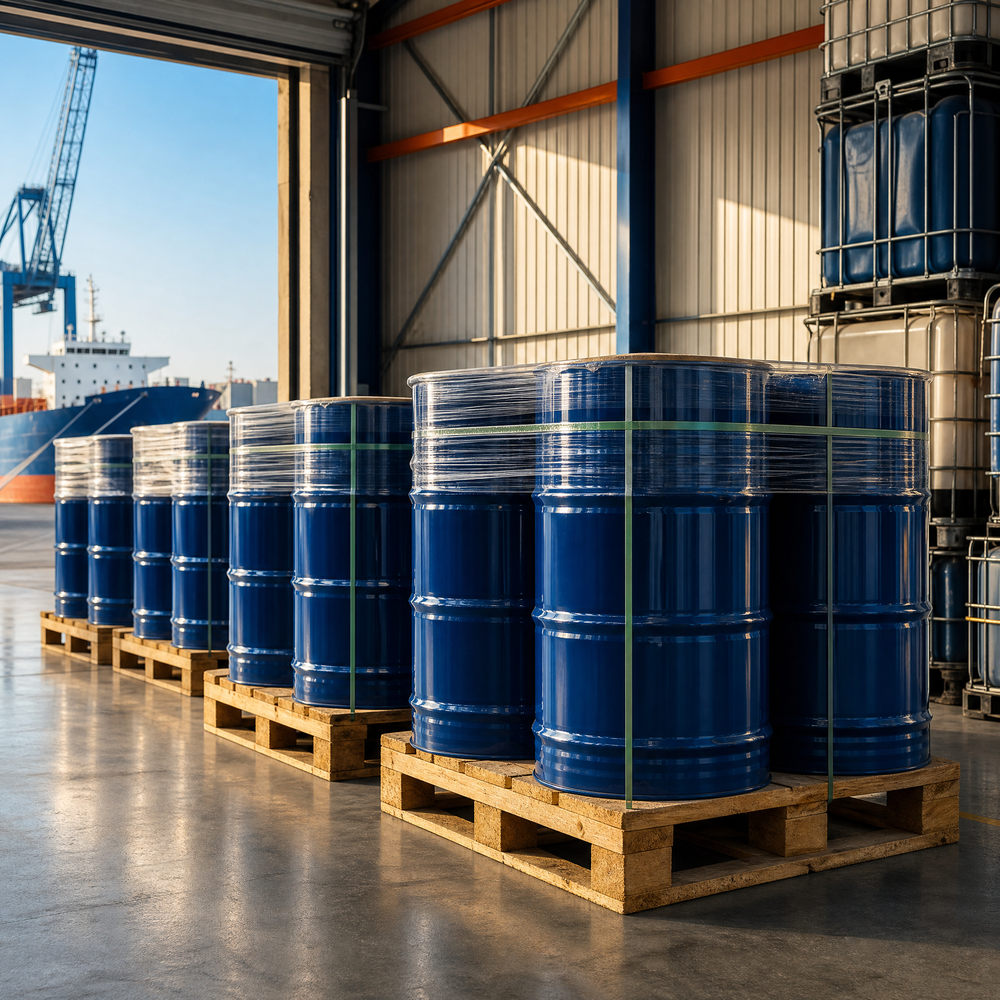
Finally, they check Packaging Suitability to confirm that drums, IBCs, or other forms of specialized packaging are fully certified and suitable for the specific quantity and nature of the chemicals being transported.
Why remote chemical transport inspections
Compliance without the inspector on site
Digital inspections deliver results within 1 hour, accelerating cargo readiness.
Dangerous goods
When Chemical Cargo Goes Wrong
Risk scenarios that can occur include:
Nordwatch provides the remote verification that chemical manufacturing firms and logistics providers need to keep their transport flow running without interruption.
Differentiating chemical transport from other inspections
Differentiating vanning from other inspections
Who it’s for
Benefits of Nordwatch Remote Chemical Inspections
As part of our broader portfolio of dangerous goods and hazardous materials inspection services, Nordwatch provides remote chemical cargo verification that is faster, more accessible, and built specifically for the demands of the maritime industry.
This is how we do it. Upload digital evidence of your loading procedures, ISO tanks, and documentation. Our experts verify the shipment within 60 minutes. Our remote inspections are tailored specifically for shipping and logistical operations, ensuring you meet all sea transport regulations.
Eliminate the travel costs of an on-site survey while ensuring your hazardous chemicals are suitable for safe transport.