
Maritime Transport Compliance, Standards & Inspections: Your Ultimate Guide to Safe and Compliant Cargo Shipping
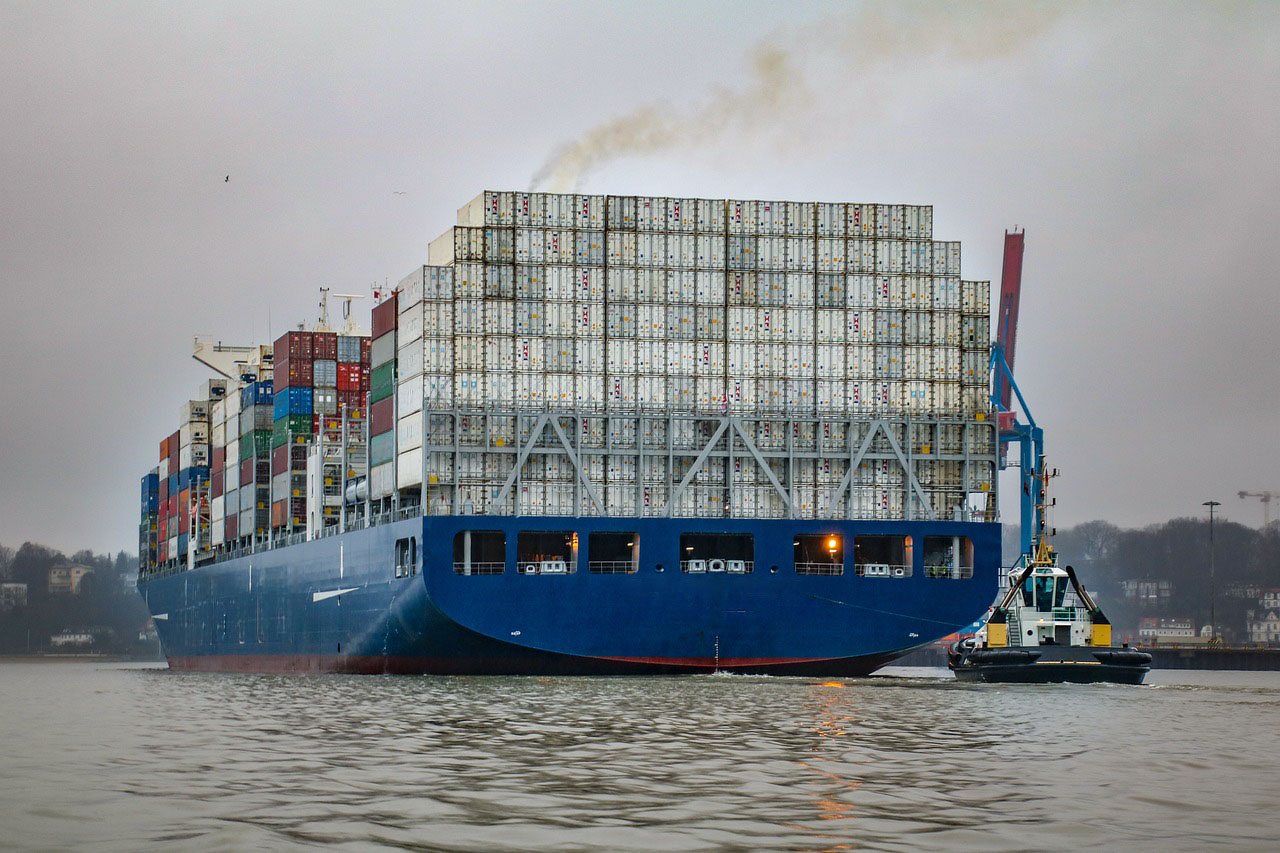
Ensuring your cargo arrives safely and compliantly is the cornerstone of successful international shipping. From standard containers packed with consumer goods to oversized industrial equipment on flatracks, every shipment must navigate a complex landscape of international standards, regulatory frameworks, and inspections. Ignoring these essential compliance standards could cost your business significantly, with risks ranging from rejected cargo at port to severe financial penalties and reputational damage.
This comprehensive guide dives deeply into maritime transport compliance, providing practical insights into standards, inspections, and best practices. Let’s ensure your cargo reaches its destination safely, swiftly, and profitably—every single time.
Understanding Maritime Compliance: Why It Matters to Your Business
In maritime transport, compliance isn’t optional—it’s essential. Non-compliance can trigger severe consequences, including cargo rejections, hefty fines, costly shipping delays, and even total shipment loss. For businesses involved in international trade, understanding and proactively managing compliance with maritime standards isn’t just good practice; it’s a core business strategy.
To keep your cargo moving profitably, safely, and reliably, your logistics team must grasp the fundamentals of international maritime regulations and the inspection processes that enforce them. Understanding these processes provides you with a competitive edge—allowing you to navigate international shipping confidently, efficiently, and securely.
Essential Maritime Standards and Regulations Explained
1. International Maritime Dangerous Goods (IMDG) Code
The IMDG Code, mandated by the International Maritime Organization (IMO), governs the shipment of hazardous materials by sea. This international standard dictates how dangerous goods must be classified, packaged, labeled, and secured.
Why this matters:
Non-compliance can lead to cargo rejection, financial penalties, or catastrophic safety incidents at sea. IMDG inspections verify that hazardous shipments strictly follow guidelines, reducing risk and liability for your business.
2. Container Safety Convention (CSC)
The CSC ensures structural integrity and safety of all shipping containers. Containers must carry a valid CSC plate, proving they meet global safety standards.
Why this matters:
Shipping lines and terminals routinely reject containers without valid CSC plates. Maintaining CSC compliance avoids unnecessary costs and ensures smooth cargo handling.
3. CTU Code (Cargo Transport Units Code)
The CTU Code provides comprehensive guidelines on safely packing and securing cargo in containers and flatracks.
Why this matters:
Poor cargo securing can result in damage, costly delays, and safety hazards. Compliance demonstrates your commitment to safety, protecting your cargo investment and your company’s reputation.
Key Types of Maritime Inspections Your Cargo Needs
Cargo Lashing and Securing Inspections
Ensuring your cargo remains stable during transit is crucial. Certified inspectors evaluate the adequacy of lashing, bracing, and securing methods against IMO and CTU Code guidelines.
Proper lashing and securing prevent cargo shifts, damages, and serious maritime incidents. This inspection is especially critical for heavy, oversized, or high-value cargo transported on flatracks.
Pro tip:
Use Nordwatch’s certified lashing inspections to verify your securing methods remotely and rapidly, ensuring compliance before your cargo ever leaves your facility.
Flatrack Cargo Inspections
Oversized and heavy cargo requires meticulous inspection due to its increased risk. Specialized flatrack inspections evaluate cargo placement, lashing methods, and structural suitability.
These inspections provide crucial reassurance that your cargo won’t be rejected at the port due to improper securing. Compliance here dramatically reduces your logistical risks and potential downtime.
Pro tip:
Use Nordwatch to get an expert flatrack securing certificate—it’s your strongest proof of compliance and essential protection against costly claims.
Dangerous Goods (DG) Inspections
Shipments of hazardous cargo must strictly adhere to IMDG Code regulations. DG inspections confirm that dangerous goods are properly classified, packaged, labeled, documented, and secured, significantly reducing risks associated with transporting hazardous materials.
Failing a DG inspection can have catastrophic consequences—not just financially, but also in terms of safety.
Pro tip:
Use Nordwatch certified DG inspectors who ensure your cargo is compliant and certified—before it ever reaches the port.
International and Regional Compliance Variations: What You Need to Know
International standards form the backbone of maritime compliance, but regional variations often impose additional requirements:
-
Asia-Pacific (e.g., China, Australia):
Expect strict biosecurity inspections, including mandatory fumigation and phytosanitary certificates. -
Europe:
Strong enforcement of ISPM-15 wood packaging regulations, stringent checks on dangerous goods, and rigorous documentation requirements. -
North America:
Highly regulated ports (USA, Canada) enforce IMDG compliance rigorously, with special emphasis on cargo security and accurate documentation. -
Middle East & Africa:
Frequently require Pre-Shipment Inspection (PSI) certificates or Certificates of Conformity (CoC) for various imports, adding complexity that exporters must manage proactively.
Navigating these regional differences smoothly is critical for maintaining global trade compliance. The secret to smooth sailing lies in meticulous documentation and proactive inspection processes.
Best Practices for Maritime Transport Compliance and Inspections
1. Always Plan Early
Don’t leave compliance inspections as an afterthought. Begin the process as soon as the shipment is booked, ensuring all necessary certificates (CSC, lashing, DG, phytosanitary) are secured in advance.
2. Work with Certified Inspection Experts
Certified inspectors offer credibility, experience, and reliability, reducing your exposure to risks and ensuring your cargo passes inspections smoothly every time.
3. Accurate Documentation is Critical
Ensure all inspection documents match exactly with your shipment details—discrepancies lead to delays, fines, and rejections at ports. Proper documentation is your strongest shield against compliance pitfalls.
4. Regular Compliance Training
Train your logistics team regularly on compliance requirements, especially if you’re shipping dangerous goods or specialized cargo. Knowledge prevents costly compliance mistakes.
5. Leverage Digital Solutions and Remote Inspections
Modern technology, like Nordwatch’s remote inspection platform, transforms traditional inspections. Remote inspections deliver results faster, reduce costs significantly, and enhance inspection accuracy.
Transforming Inspections with Nordwatch: Fast, Reliable, and Remote
At Nordwatch, we understand your need for reliable, cost-effective, and efficient maritime inspections. Using cutting-edge digital tools, our certified inspectors remotely verify your cargo’s compliance against international standards—including IMDG, CSC, CTU Code, and more—delivering clear results within 24 hours.
Our suite of inspection solutions includes:
-
Lashing & Securing Inspections
-
Remote Flatrack Cargo Inspections
-
DG Compliance Inspections
-
Container Stuffing (Vanning) Inspections
-
Tailgate Quick Checks
-
Live Video Inspections
Join global cargo owners and forwarders choosing Nordwatch’s trusted, expert-driven inspections. Eliminate costly rejections, streamline cargo movements, and confidently ship your cargo worldwide.
Conclusion: Compliance is Your Competitive Advantage
Maritime transport compliance isn’t merely a regulatory necessity; it’s your competitive advantage in global trade. Every compliance step you take, from proper cargo lashing to meticulous documentation, safeguards your shipment, protects your profits, and solidifies your reputation in international markets.
Don’t let compliance be your logistical bottleneck—make it your strength.
Choose Nordwatch. Inspect remotely. Ship safely. Thrive globally.
Ready to ensure your cargo compliance?