
Certified Remote Inspections

IMDG Container Inspections
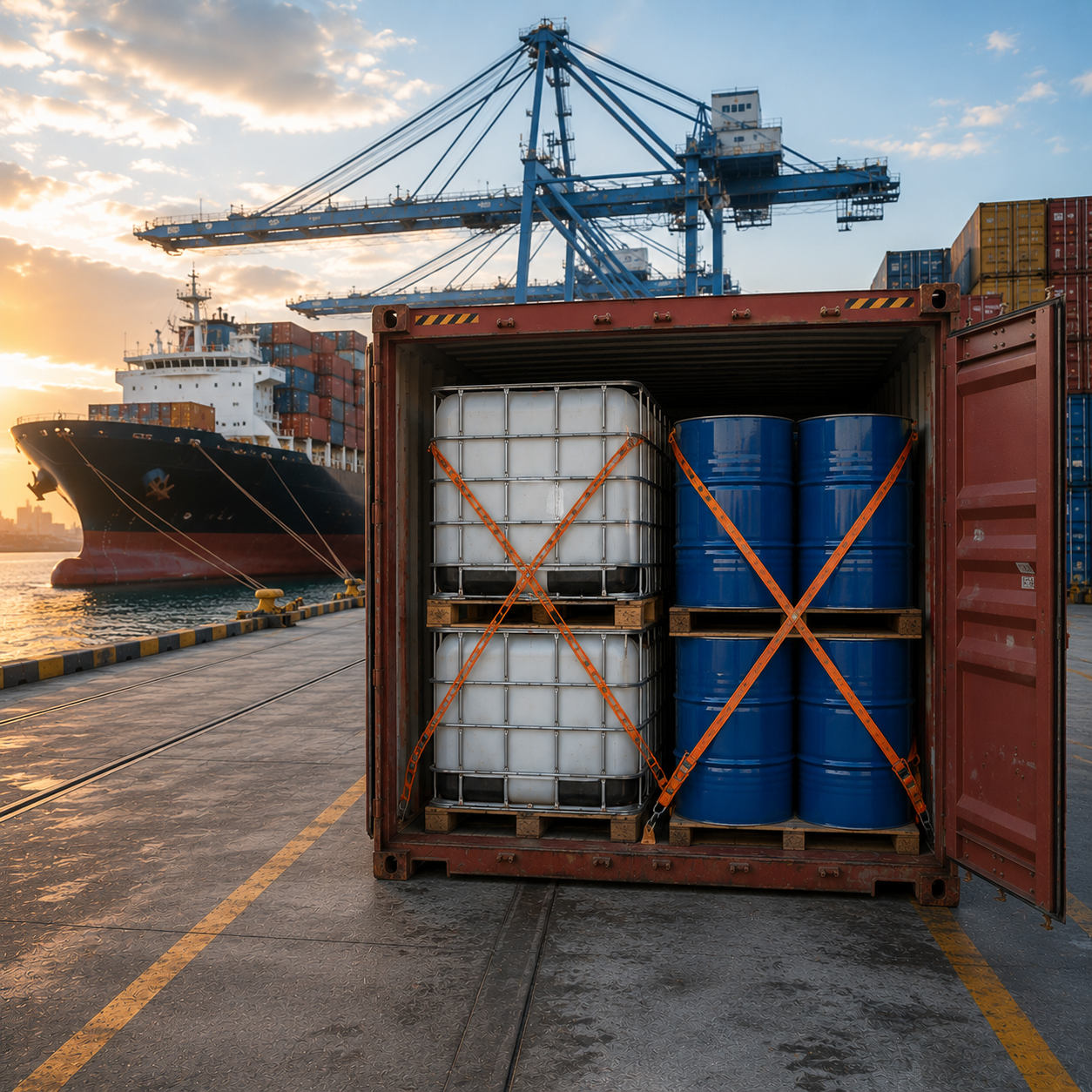
Certified IMDG container inspections, completed fully remotely. Upload photos or video — our inspectors verify CTU, ISO and IMDG compliance within 24 hours
● ISO    ● CTU Code    ● IMDG compliant
24h Guaranteed turnaround

The Importance of IMDG Container Inspections

Transporting dangerous goods by sea is governed by a strict set of global rules designed to protect human life, the vessel, and the marine environment. When shipping hazardous materials, the margin for error is non-existent.

A single mistake in classification, segregation, or labeling can lead to terminal rejections, heavy fines, or in the worst-case scenario to catastrophic fires and spills at sea.

For freight forwarders and shippers, an IMDG container inspection is a critical safety barrier. It ensures that your dangerous cargoes are not just “packed,” but are packed in full accordance with the International Maritime Dangerous Goods (IMDG) Code.

Because no one wants to be responsible for a vessel incident that could have been prevented with a 1 hour professional remote inspection.

The remote difference

Navigating the Complexity of the IMDG Code

Established by the International Maritime Organization (IMO), the IMDG Code is a dense and evolving framework. Whether you are shipping chemicals in drums, gases in portable tanks, or hazardous goods in bulk containers, the suitability of the container is paramount.

Non-compliance often leads to port delays, as carriers and terminal inspectors grow increasingly vigilant about documentation and marking deficiencies.
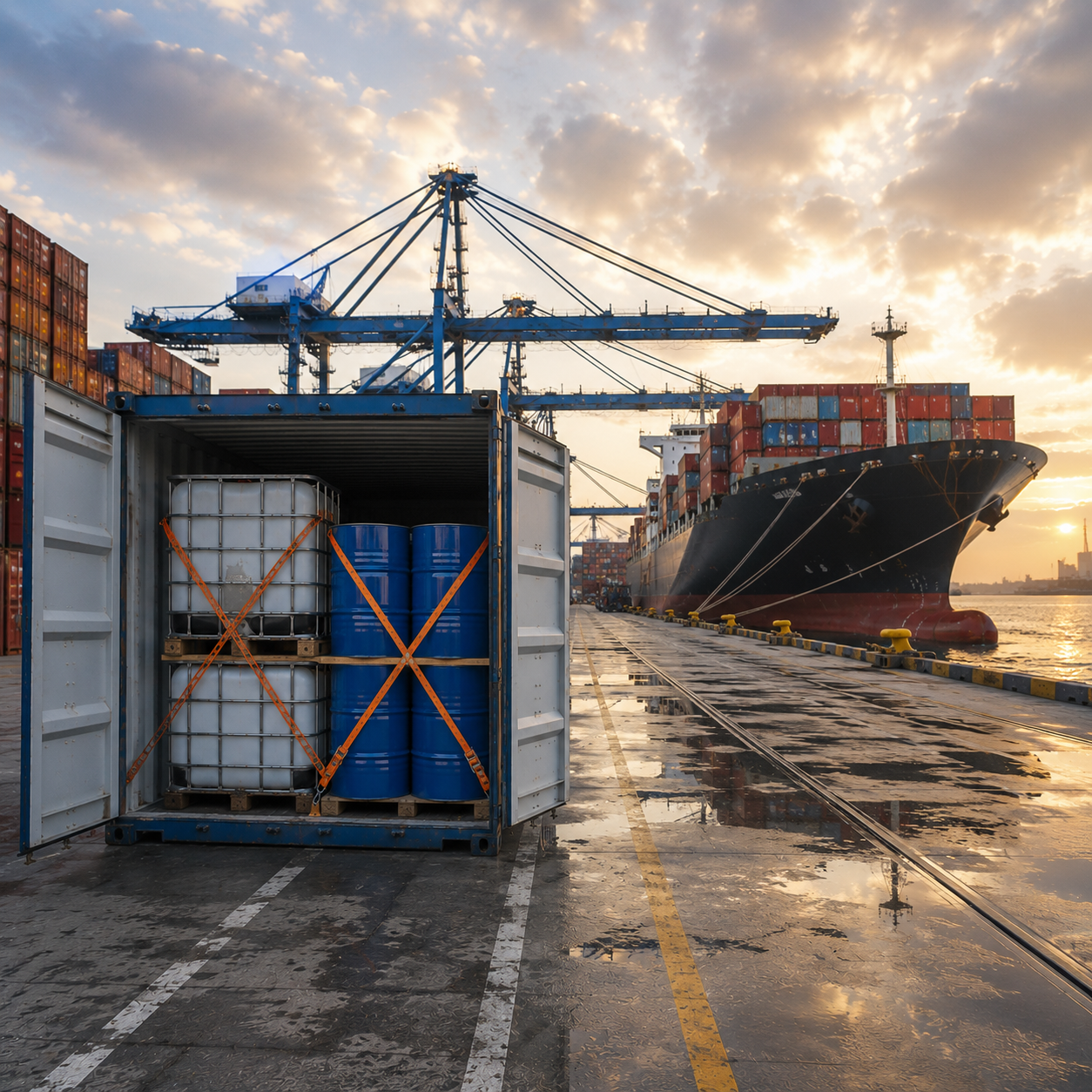
24h

Guaranteed turnaround

100%

CTU · ISO · IMDG aligned
Global
Inspect from anywhere

1 free

Revision included

The remote difference

Critical Checkpoints for Dangerous Goods Inspections

1
Classification and Proper Documentation
IMDG container inspections systematically check crucial compliance factors, beginning with the UN Number and Proper Shipping Name to ensure the material is correctly identified for proper handling and stowage.

Additionally, inspectors verify the Packing Group to confirm that the packaging is fully approved and structurally suited to the specific degree of danger the substance poses.

2
Labeling, Marking, and Plaquarding
Visual communication serves as the critical first line of defense for both vessel crews and emergency responders.

Our inspection process strictly validates this safety barrier by checking two primary criteria: Labeling and Marking.

This ensures that the correct hazard labels and the Marine Pollutant Mark are clearly applied to all sides of the containers or tanks; and Durability, which verifies that all markings are applied using specialized materials designed to remain fully legible even after three months of continuous exposure at sea.

3
Segregation and Securing
Improper stowage of incompatible chemicals is a leading cause of shipboard fires. Our inspection process directly mitigates this risk using the IMDG Segregation Table to enforce two core safety measures.

First, we verify Segregation Compliance to ensure all “away from” and “separated from” positioning requirements are strictly met inside the container.

Second, we check Securing and Blocking. This ensures the cargo is structurally braced to prevent dangerous shifting, chemical leaks, or structural damage to the vessel during transit.

Why remote IMDG Container Inspections

Compliance without the inspector on site
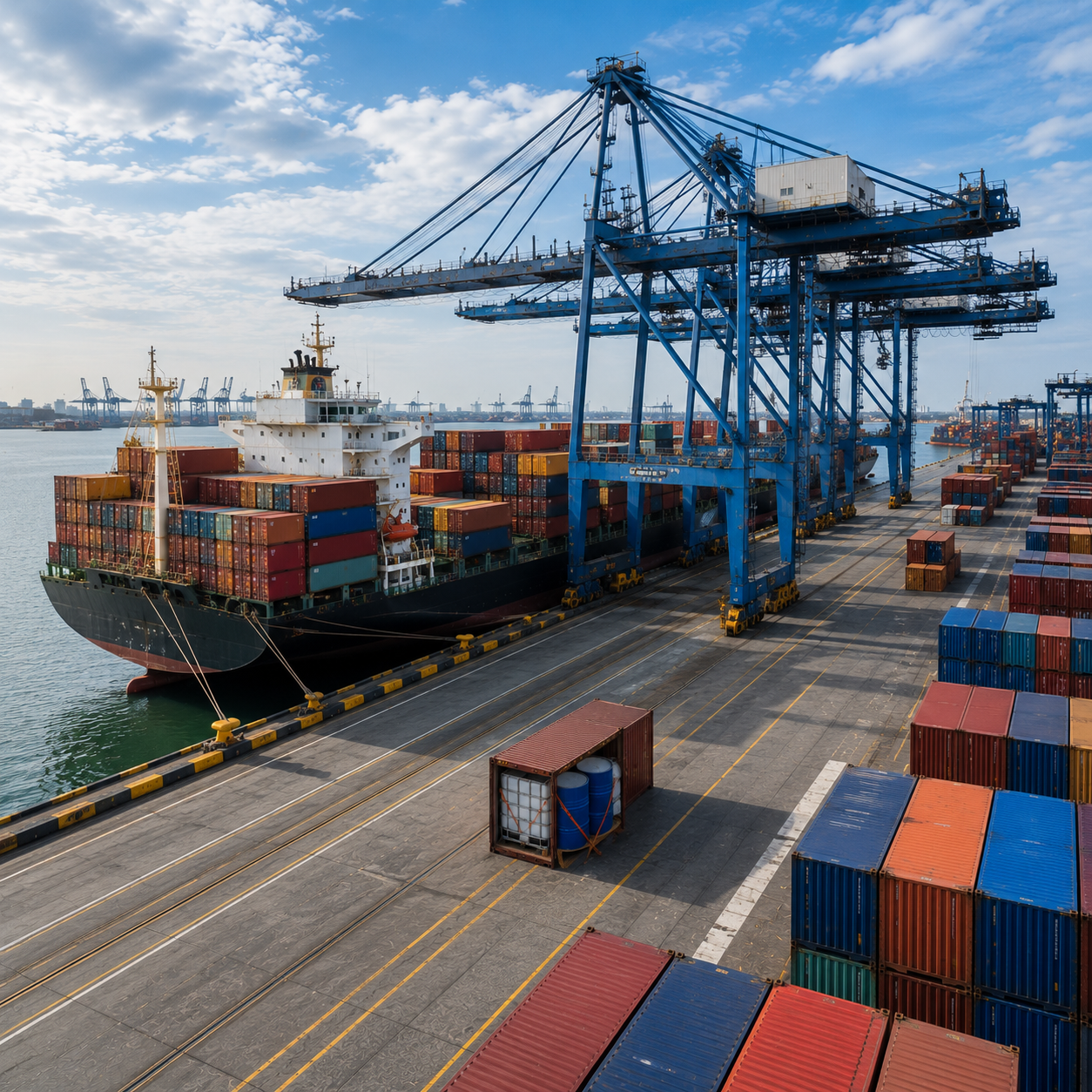
Cost-effective
Eliminating inspector travel significantly reduces inspection costs.
Rapid feedback
Digital inspections deliver results within 24 hours, accelerating cargo readiness.
Avoid port rejections
Early detection and correction prevent costly delays and port rejections.
Global access
Clients worldwide can access inspections without logistical constraints.

Dangerous goods

The Risks of Non-Compliance

In the world of sea transportation, a dangerous goods violation is never just a “minor” issue. Carriers are increasingly strict, and a shipment found with deficiencies will be stopped immediately.

This results in:

✓ Prohibitive costs for emergency offloading and re-packing.
✓ Environmental liability in the event of spills or leakage.
✓ Reputational damage with ships, ports, and clients.

Differentiating IMDG Container from other inspections

Differentiating vanning from other inspections

IMDG Container is one of several remote inspections we run — pick the depth your shipment needs.
Vanning
Comprehensive assessment inside containers, verifying securing, lashing and documentation.
Tailgate
Quick visual checks from container doors, ensuring basic cargo arrangement and correct placarding.
Dangerous Goods
Verification of dangerous goods cargo, ensuring correct documentation, marking, and compliance.
Flatrack
Specialized inspection ensuring correct lashing and securing of cargo on open flatrack containers.
Certified inspectors · rigorous standards
Getting specialized IMDG code inspection of dangerous cargoes ensures compliance with the highest forms of regulations, securing the safety of your crew and operations.

Remote IMDG Inspections: Compliance at the Speed of Dispatch

Nordwatch transforms dangerous goods inspections by eliminating the need to wait for on-site inspectors and risking your dispatch timeline. Our remote inspection process delivers a professional service report and verification within a 60-minute turnaround.

Backed by expert oversight, our team continuously monitors updates to the IMDG Code to ensure compliance with the latest requirements. This global reach supports your cargo across sea, rail, or air, protecting both your logistical operations and the environment with rapid, reliable IMDG verification.